
Brick Slatwall Panels: Industrial Style for Retail Wall Displays
Brick slatwall is a finish decision that belongs early in the store planning process. Retailers who choose it are typically building a specific kind of store: urban, industrial, streetwear, spirits-focused, craft goods, or any concept where the wall itself contributes to the brand statement. The finish needs to support the merchandise — not just look different from a plain panel.
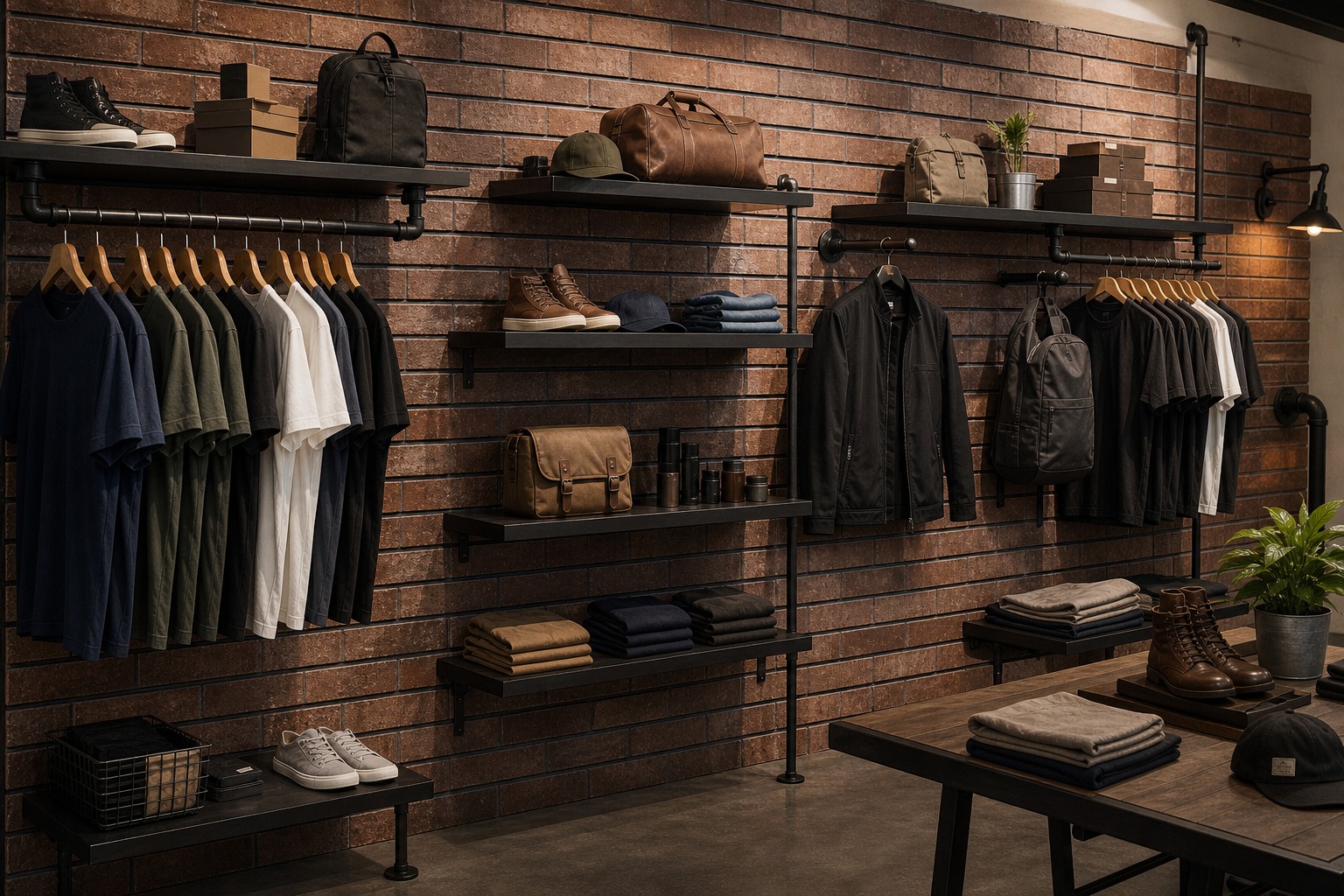
Retail Display USA supports this decision with brick slatwall panels and related fixture categories. This guide explains how a retail fixture specialist evaluates brick slatwall, which store types it suits best, what to confirm before ordering, and how it compares to other finish options.
Why Brick Slatwall Matters for Retail Buyers
A strong fixture decision starts with the merchandise, not the wall surface. For streetwear stores, liquor and spirits shops, sneaker retailers, craft goods stores, and industrial-style boutiques, the display must hold product securely, match the store aesthetic, and make daily restocking practical.
The main reason to consider brick slatwall is that specific product categories — apparel with an urban edge, packaged craft goods, footwear, bottles and spirits, and featured accessories — can benefit from a wall that has more architectural presence than a plain panel. In a working retail store, the finish has to hold up through repeated customer interaction, regular inventory changes, and daily display maintenance.
Brick slatwall sits within the broader textured slatwall family and can be compared with barnwood slatwall and related slatwall accessories based on the store concept and the role of the wall.
What the Finish Looks Like in a Retail Store
Brick slatwall should be evaluated in the context of lighting, product color, and the surrounding fixture package. A textured surface changes the visual weight of the wall before any merchandise is added — which is why this choice belongs at the start of the store planning process, not as an afterthought.
For the store types that use it most effectively — streetwear, spirits retail, sneaker stores, craft goods, and industrial-style boutiques — the brick finish should support the product story without making the wall too visually busy. The surface can become a feature wall, a department backdrop, or a perimeter system that gives the store more character than a plain utility wall.
Brick Slatwall vs Barnwood Slatwall
Brick and barnwood create different retail signals. Brick slatwall panels are a strong fit for urban, industrial, streetwear, craft, or spirits-focused stores. Barnwood slatwall reads warmer and more rustic — better suited to boutiques, gift shops, western-inspired concepts, resort retail, and lifestyle stores.
If the store sells products with a rugged or architectural brand story, brick makes the wall feel more intentional. If the store needs warmth, a handmade character, or a softer retail backdrop, barnwood is typically the stronger choice.
Planning Before You Order
Before ordering, measure the wall area and identify which products must be on the wall every day. Retailers make mistakes when they plan around an empty wall rather than actual merchandise. Product size, package depth, customer handling, and restocking frequency should drive the fixture choice.
For a wall display, note the available width, height, and nearby aisle clearance. If the display supports seasonal products, choose a configuration that can change without requiring a full store reset.
Also consider installation and staff workflow. If the store changes displays frequently, accessories and shelves should be easy to adjust. If the fixture will hold heavier products, verify load ratings and wall attachment requirements before installation.
Best Store Uses for Brick Slatwall
Brick slatwall works best when the store's brand has an urban, industrial, or architectural character. In streetwear stores and sneaker retailers, the finish can give the wall more presence without competing with product colorways. In spirits and craft goods retail, brick can reinforce the craft-market or warehouse-style atmosphere many of those stores pursue. In urban boutiques, a brick feature wall can define a zone or product category with more visual authority than a plain panel.
In apparel stores, the wall should support outfit building, folded goods, and hanging products — not simply storage. If the store sells soft goods, natural textures, or delicate merchandise, brick may create too much visual competition. In those cases, barnwood or wood textured panels often work better.
Common Buying Mistakes to Avoid
One common mistake is choosing a fixture based only on appearance. A finish may look right, but the store still needs to confirm panel dimensions, groove compatibility, accessory requirements, and whether the finish holds up under the store's specific lighting.
Another mistake is overloading the display once the panels are installed. Retail fixtures are selling tools, not storage surfaces. When a wall is overloaded, customers struggle to understand the product differences that matter.
A third mistake is forgetting the accessory plan. Slatwall panels without shelves, hooks, hangrails, or faceouts are incomplete. Choose the accessory package for the specific product mix before ordering panels.
Build the Right Display With RDUSA
Retailers planning brick slatwall can start with Retail Display USA's brick slatwall category and compare related fixture options based on store layout, product mix, and customer experience.
For a complete plan, review the supporting RDUSA categories: textured slatwall, barnwood slatwall, and slatwall accessories. The best result comes from treating the wall, floor fixtures, accessories, and merchandising goals as one system rather than separate purchases.
FAQ
What stores use brick slatwall panels?
Brick slatwall suits stores with an urban, industrial, or architectural brand direction. Common examples include streetwear retailers, sneaker stores, craft beer and spirits shops, liquor retailers, lifestyle boutiques, and specialty stores where the wall should feel more built-in than plain slatwall allows. If the store sells products with a soft, natural, or traditional look, brick may compete with the merchandise rather than support it.
Does brick slatwall accept standard accessories?
Accessory compatibility should be confirmed before ordering. Confirm groove pitch, insert requirements, and weight ratings for the specific panel and accessory combination.
How does brick compare with barnwood?
Brick slatwall creates an urban, industrial impression. Barnwood slatwall creates a warmer, more rustic one. Brick tends to suit stores selling streetwear, workwear, spirits, craft goods, and products with an edgier brand story. Barnwood tends to suit boutiques, gift shops, artisan retail, and stores with a natural or handcrafted identity. The merchandise should drive the choice, not the other way around.
Can brick slatwall be used as a feature wall?
Yes. Brick slatwall is often most effective as a feature wall or department backdrop rather than covering every surface in the store. A single brick wall behind a key product group or checkout area can create enough brand impact without making the store feel visually heavy.
How should retailers choose brick slatwall?
Match the brick finish to the merchandise and store concept. If the store sells products with an industrial, urban, or rugged character, brick slatwall can reinforce that brand naturally. If the store is clean, minimal, or sells soft goods, a different finish will likely create less visual competition with the merchandise. Before ordering, confirm panel dimensions, groove compatibility, and the accessory plan for the wall.
Retail Planning Resource
For broader retail planning context, the National Retail Federation publishes retail industry research and store operations insights that can help store owners connect fixture decisions with shopper behavior.