
Mannequin Display Ideas for Apparel Retail Stores
Mannequin display ideas work best when they help shoppers understand fit, outfit coordination, and product use before they touch the rack. The right mannequin for a retail store depends on what the store is selling and how those products need to look to a shopper. A fashion boutique and an activewear retailer both use mannequins, but they need different forms, poses, and base styles to communicate the right thing effectively. Getting this right requires thinking about the product, the store layout, and how staff will work with the fixture daily.
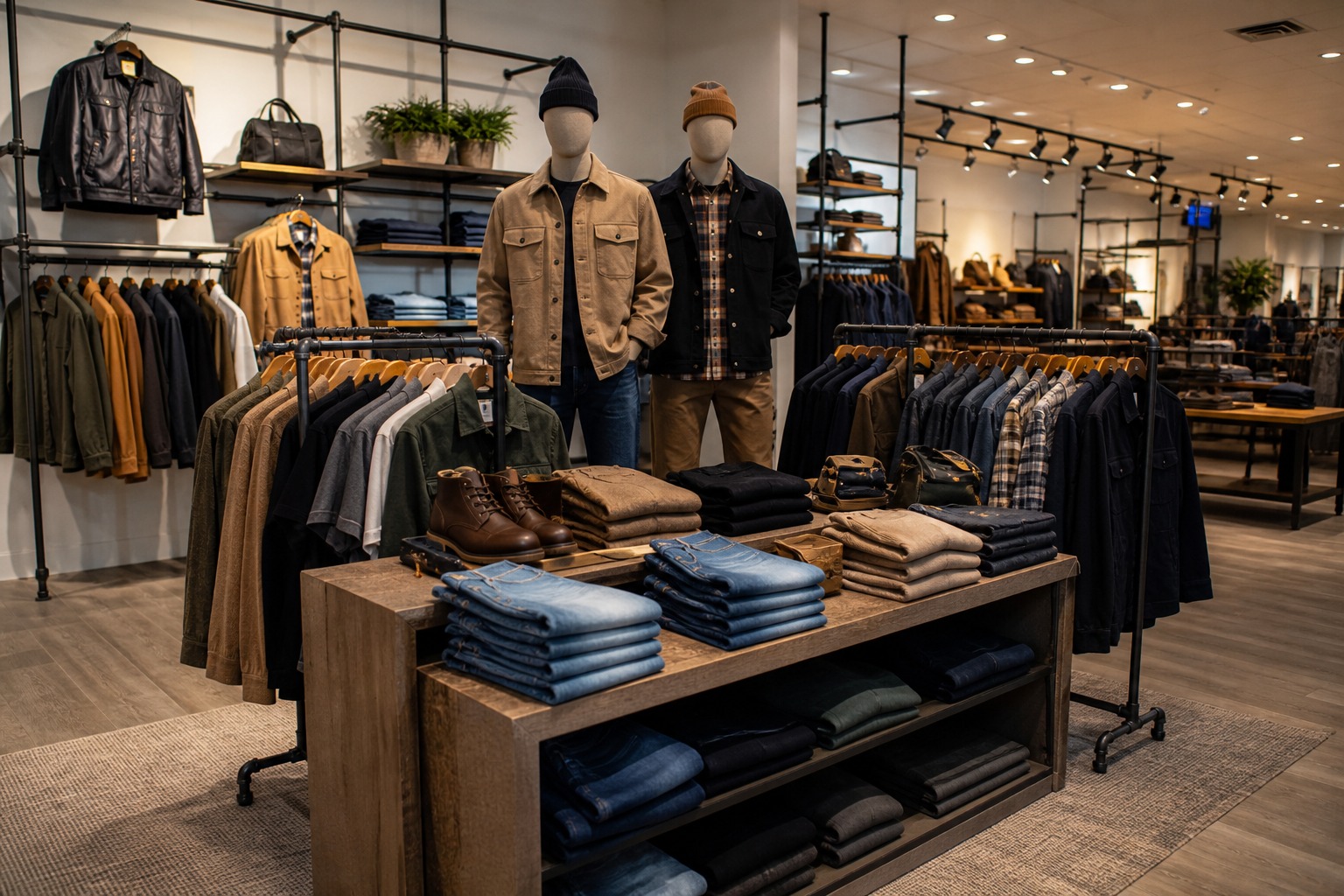
Retail Display USA carries retail mannequins including athletic mannequins. This guide covers mannequin selection by store type, how to position mannequins in relation to slatwall displays and floor fixtures, and the practical factors that affect the buying decision.
Why Retail Mannequins Matter for Retail Buyers
A strong fixture decision starts with the merchandise. For apparel boutiques, fashion retailers, uniform stores, sporting goods stores, lifestyle shops, and department-style retail areas, the mannequin display must show products clearly, communicate the store brand, and be practical for staff to dress and reposition regularly.
The main commercial reason to use retail mannequins is that they show garment fit, outfit combination, and product use in a way that folded or hanging display cannot. A mannequin can tell the outfit story that turns a single sale into a multi-item transaction. In a working retail environment, the mannequin has to handle regular outfit changes, stay stable in a customer traffic area, and hold up under standard retail conditions.
Retail Display USA's mannequin range includes standard forms, athletic mannequins, and related wall and apparel support fixtures such as slatwall and t-shirt displays. The best mannequin display plan depends on the product story and the nearby inventory support.
Choosing the Right Display Form
Mannequin choice should follow the product being sold. A fashion boutique may need a clean abstract presentation, while an activewear retailer may need a pose that communicates motion and function. The form should show garment fit, product use, and brand style without distracting from the merchandise itself.
A practical buyer also thinks about staff handling. If outfits change frequently, the form needs to be manageable for regular dressing and repositioning. If the display is near the entrance or in a customer traffic zone, stability and finish durability become more important.
How Mannequins Work With Other Fixtures
Mannequins perform best when positioned alongside supporting fixtures rather than as isolated display pieces. A mannequin near a slatwall wall can show the outfit while the wall carries the inventory — hangrails for the size run, faceouts for related pieces, and shelves for accessories or folded coordinating items. Shoppers see the complete look on the mannequin and can immediately find their size on the wall behind it.
For boutiques, a mannequin positioned near a table works well when the table carries folded goods that match or extend the mannequin's outfit. A mannequin showing a jacket and jeans, positioned near a table with folded sweaters and accessories, creates a natural cross-selling environment without requiring a full visual merchandising overhaul.
For apparel stores with t-shirt or casual merchandise, t-shirt display fixtures carrying the size run can be positioned adjacent to the mannequin that shows the graphic tee in context.
Planning Before You Order
Before ordering, confirm the intended position of the mannequin in the store layout. A mannequin near the entrance needs a stable base that holds up in customer traffic. A mannequin in a window or feature area needs a pose and finish that photographs well and reads clearly from a distance.
Also confirm how often the outfit will change. Stores that change mannequin outfits weekly need forms that are practical to dress and undress, with joints or sizing that do not complicate the process for staff. Stores that change less frequently can prioritize visual impact over ease of dressing.
Best Store Uses for Retail Mannequins
Fashion Boutiques
Boutiques typically use mannequins to show complete outfit stories near the entrance, in window displays, or adjacent to the primary apparel wall. The mannequin should show the most interesting or highest-margin outfit available that day. Positioning near the slatwall feature wall lets the mannequin act as an introduction to the full product section behind it.
Apparel Stores
Standard apparel stores often use mannequins to show featured seasonal looks and to demonstrate how separates can be combined. A common configuration is one or two mannequins near the store front showing current seasonal outfits, with the inventory for those outfits easily accessible on nearby racks or slatwall hangrails.
Sporting Goods and Activewear
Sporting goods and activewear retailers typically need athletic mannequins in poses that communicate activity and performance. A running jacket on a static mannequin reads differently than on a form in a running pose. The fixture should match the category energy.
Uniform and Workwear Retailers
Uniform stores and workwear retailers benefit from mannequins that show complete uniform configurations — including all the components a buyer might need. Clear, professional poses work better than fashion-forward ones in this context.
Common Buying Mistakes to Avoid
One common mistake is choosing mannequins based only on finish or pose without checking practical base stability for the store's traffic pattern. A stylish mannequin that tips easily in a busy store creates a safety problem and a staff headache.
Another mistake is positioning mannequins without connecting them to nearby product inventory. A mannequin showing an outfit the store cannot easily service from adjacent fixtures misses the selling opportunity the mannequin creates.
A third mistake is using the same mannequin style throughout a store that carries different product categories. An abstract fashion form may not communicate athletic performance effectively. Match the form to the product category it is serving.
Build the Right Display With RDUSA
Retailers planning retail mannequins can start with Retail Display USA's retail mannequins category and compare related fixture options based on store layout, product mix, and brand direction.
For a complete plan, review the supporting RDUSA categories: athletic mannequins, slatwall, and t-shirt displays. The best result comes from treating the mannequin, wall fixtures, floor fixtures, and merchandising goals as one system.
FAQ
What type of mannequin is best for a boutique?
Most boutiques benefit from abstract or semi-realistic mannequins that let the clothing be the visual focus rather than a detailed face or expression. A clean, simple form in a natural standing or slightly dynamic pose tends to work well for apparel-focused boutiques. Match the finish — white, black, metallic, or skin-tone — to the store aesthetic rather than choosing a default. Confirm the available finishes and poses from the RDUSA product listing before ordering.
Should a store use realistic or abstract mannequins?
Realistic mannequins with facial detail work best in high-fashion or luxury retail where the brand identity supports that level of presentation. Abstract mannequins without detailed features or headless forms work well for most standard boutiques, apparel stores, and casual lifestyle retail, where the garment fit should be the visual focus. Athletic and sporting goods stores often benefit from forms with active poses rather than naturalistic faces.
How many mannequins does a store need?
The right number depends on the store size, the number of distinct outfit stories the store wants to tell at one time, and the visual density that works for the store concept. As a general starting point, a boutique of 500 to 1,000 sq ft might use two to four mannequins. Confirm the floor plan and traffic paths before deciding — more is not always better, and a few well-positioned mannequins can outperform many poorly placed ones.
How should mannequins be placed near slatwall displays?
Position mannequins in front of or adjacent to the slatwall section that carries the inventory for the outfit being shown. The mannequin introduces the outfit story; the slatwall behind it carries the size run and related pieces. Leave enough aisle clearance around the mannequin for shoppers to approach comfortably from at least two sides. Avoid positions that block traffic paths or force customers to walk around a mannequin to reach the merchandise behind it.
How should retailers choose retail mannequins?
Choose the form type based on the product category and the brand identity. Confirm pose options, base type, finish, and sizing before ordering. Think about staff handling — how easy is the form to dress, reposition, and maintain? And confirm where in the store layout the mannequin will go, because base stability and floor space requirements differ by form type.
Retail Planning Resource
For broader retail planning context, the National Retail Federation publishes retail industry research and store operations insights that can help store owners connect fixture decisions with shopper behavior.