
Store Fixtures vs Custom Fixture Packages
Store fixtures vs custom fixture packages is a buying decision about speed, control, and how much coordination the project requires. Standard fixtures can reduce design and approval work. Custom packages can add value when the store needs a coordinated brand-specific layout, a repeat rollout, or a nonstandard fit.
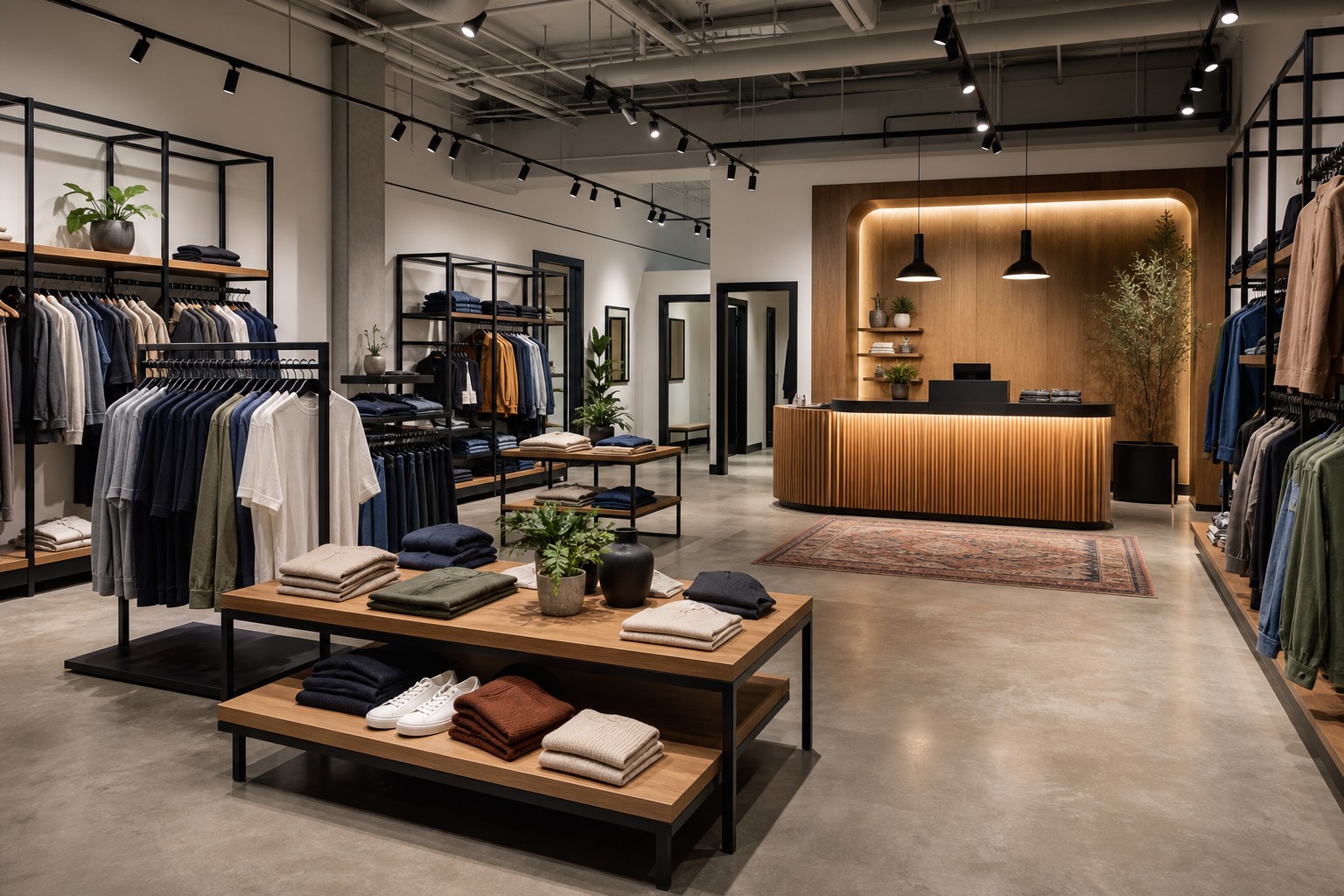
The buyer should not choose custom work just because it sounds more advanced.
Store Fixtures vs Custom Fixture Packages at a Glance
| Decision factor | Standard store fixtures | Custom fixture packages |
|---|---|---|
| Speed to specify | Faster when current product dimensions, finishes, and roles fit the store | Slower because drawings, approvals, and revisions usually matter more |
| Brand control | Good for general retail layouts and proven fixture roles | Stronger when the store needs a coordinated branded environment |
| Rollout flexibility | Useful when stores can repeat existing fixtures with minor adjustments | Useful when locations need a controlled package adapted to each footprint |
| Cost basis | Compare product, freight, assembly, and replacement needs | Compare design, approval, production, freight, installation, and change control |
When Standard Fixtures Work Best
Choose standard fixtures when the store wants a practical, proven setup with less planning friction.
When Custom Packages Work Best
Choose custom packages when the wall, the floor plan, or the brand story needs a coordinated solution that standard pieces cannot handle cleanly.
Start With a Storewide Fixture Schedule
Before choosing standard fixtures or a custom package, divide the store into merchandising zones and assign a job to each fixture. Include perimeter walls, central floor capacity, feature tables, checkout, service positions, fitting-room approaches, signs, and any special product areas.
For every zone, record the merchandise type, planned quantity, customer approach, staff replenishment route, desired finish, and required accessories. This fixture schedule prevents the custom discussion from becoming a styling exercise and prevents the standard-fixture order from becoming a list of unrelated products.
Use the same schedule for both options. A standard proposal and a custom proposal are only comparable when they solve the same store requirements.
Compare Speed and Approval Work
Standard fixtures can reduce design and approval work because the buyer selects from existing products, dimensions, finishes, and configurations. The project still needs measurement, freight planning, and assembly, but fewer decisions may be required before ordering.
A custom package normally adds drawings, finish approval, production review, prototypes or samples, and controlled change management. That additional work may be justified when the store has unusual architecture, a repeat rollout, or a fixture need that standard products cannot solve.
Build approval time into the schedule. Late changes to dimensions, finishes, accessories, graphics, or equipment can affect production and delivery. Assign one person to control the approved fixture schedule and record revisions.
Compare Budget on a Complete Basis
Do not compare the price of several standard fixtures with an incomplete custom concept. Include every fixture, accessory, finish, sign component, freight assumption, receiving requirement, assembly task, installation responsibility, and site-preparation item.
Standard fixtures may have a lower initial cost and easier replacement. A custom package may reduce gaps, duplicated fixtures, or site-built modifications when it is designed accurately. Either approach can become expensive if the quote omits accessories, delivery services, or installation work.
Separate required infrastructure from optional presentation upgrades. This lets the buyer protect the working store plan if the budget changes without removing a fixture that performs a necessary selling or service function.
Compare Brand Control and Future Resets
Custom packages can give a retailer more control over proportions, finishes, graphics, and the relationship between walls, tables, racks, and checkout. That consistency matters most when the fixture language is a major part of the brand or will repeat across locations.
Standard fixtures can still create a coherent store when the buyer limits the finish palette and chooses compatible forms. They may also support easier future resets because replacement or additional products can be selected from an established category.
Ask how the store will change after opening. Seasonal merchandising, new categories, and growth require accessory flexibility and available expansion paths. A highly specific fixture may perform one launch perfectly but become difficult to reuse.
Consider a Hybrid Package
The choice does not have to be entirely standard or entirely custom. Many stores can use standard wall systems, cases, racks, and tables for most zones while reserving custom work for the cashwrap, a difficult architectural bay, a branded feature, or a high-value product presentation.
A hybrid plan concentrates design effort where it creates the most commercial value. It can also make replacement and future expansion easier in the standard zones.
Document the boundary between standard and custom work. Confirm finish coordination, dimensions, transitions, delivery sequence, and who is responsible for making the systems meet cleanly.
Plan Prototypes and Multi-Store Rollouts
For a repeat program, approve one representative store or fixture bay before releasing the full quantity. Load the fixtures with real merchandise, test customer circulation and staff replenishment, and record any accessory or dimension changes.
Keep the approved drawings, samples, photographs, component schedule, and installation notes together. The prototype becomes the standard for later locations and reduces interpretation by installers and store teams.
If locations differ, separate the fixed brand standards from site-specific decisions. A package that cannot adapt to columns, doors, wall conditions, and store size may require expensive exceptions.
Create an approved exception process for locations that cannot use the standard arrangement. Record which dimensions, components, and finishes may change and which brand or operating requirements must remain fixed. This keeps one unusual site from quietly redefining the entire fixture program.
Delivery, Assembly, and Handoff
Confirm how each fixture ships, the packaged dimensions, freight method, receiving conditions, assembly responsibility, installation requirements, and final inspection process. A coordinated package may arrive in several shipments or contain components that look similar but belong to different zones.
Label the fixture schedule by area and, where practical, group cartons or parts by zone. After installation, check every fixture against the schedule before merchandise hides missing components or damage.
OSHA's materials-handling guidance provides useful general context for receiving and workplace planning. Product instructions and qualified installers should control the actual handling and installation work.
Buyer Check
Confirm the budget, timeline, brand requirements, storewide fixture schedule, approval process, freight, assembly, and the degree of layout control the store actually needs.
Frequently Asked Questions
Are custom fixture packages always better?
No. They are better only when additional control over architecture, function, brand standards, or rollout consistency creates real value.
Are standard fixtures cheaper?
They often have a lower initial cost, but the full project still depends on accessories, finish, freight, assembly, installation, and scale.
What should a buyer decide first?
Decide what every store zone needs to accomplish, then determine whether existing fixtures can perform those jobs or whether a custom solution is justified.
Can standard and custom fixtures be combined?
Yes. A hybrid package can use standard fixtures for repeatable selling zones and custom work for checkout, architectural gaps, branded features, or specialized products.
What should be included in a fixture-package quote?
Include the complete fixture and accessory schedule, finishes, graphics where applicable, freight, receiving, assembly, installation, site preparation, approval requirements, and project timing.
Choose the Package That Solves the Store
Use standard fixtures when existing products satisfy the merchandise, site, and brand requirements with less design work. Use custom fixtures where dimensions, architecture, service, brand standards, or multi-store consistency create a real need for additional control.
Review the retail store fixtures buyer guide, compare current wall displays and floor displays, then use Samples & Quotes to define the package.
Retail Fixture Planning Resource
The National Retail Federation publishes retail planning research that can help stores compare standard and custom fixture paths.